
The Future of Tourism in Hawai'i

Written by Damien Chang
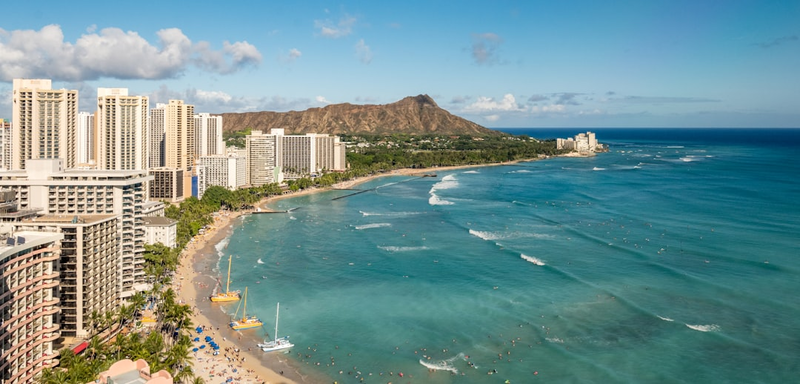
As a college student on the mainland, whenever I introduce myself—punctuated by an obligatory “and I’m from Hawaii”—eyes start to sparkle and smile lines crinkle as images of Waikiki beach and lazy ukulele music presumably flow through a fellow classmate’s mind. But if a conversation starts to revolve around Hawaii, some hidden urge will eventually compel them to ask: “Is it really okay for people like me to visit the islands? I hear that you guys don’t really like tourists.”
It's true that residents have a complicated relationship with tourists because it is impossible to turn a blind eye to all of its goods and evils. As one of Hawaii’s major economic pillars (alongside defense and agriculture) and its primary source of income, the visitor industry plays as big a role in our ability to pay for groceries and make a living as it does in the deterioration of our cherished landscape, exploitation of our native culture and communities, and even our access to natural resources (remember Maui’s water shortage?). The COVID-19 pandemic and the Lahaina wildfire last August are vivid illustrations of both the destructive and beneficial capacities of our tourism industry.
What, then, is the path forward for tourism? Academics, journalists, and intellectual travelers declare “regenerative tourism” as the future of Hawaii travel. This article defines it as a complete paradigm shift in which tourism becomes a force to power our shared culture and community rather than emphasize economic capital or merely mitigate environmental impact.
Tourism, it says, can be a force for good.
However, there are colossal obstacles in front of the rosy future that regenerative tourism promises—crucially the commitment to its lofty principles it demands of visitors and residents alike. This 2-minute read summarizes current challenges to Hawaii tourism that pose threats to investing in a regenerative model. For a deeper dive, this article illustrates challenges in a case study of a tourist destination off the coast of Australia.
Reforming tourism, these articles say, will be an uphill battle.
What do you think? Is regenerative tourism a feasible way to perpetuate a better version of the Hawaii we know and love, or is tourism fundamentally a numbers game that will ultimately refuse to balance competing priorities?
Article 1: Regenerative tourism is the way forward
https://www.hawaiibusiness.com/hawaiian-community-managed-regenerative-tourism/
Article 2: Many challenges lie ahead
https://beatofhawaii.com/concerning-hawaii-tourism-decline-ten-reasons-it-happened/