
The iPhone: An Unprecedented Status Symbol
Written by: Erin Song
Living five thousand miles away from home, phone calls with my parents are frequent. Due to their different work schedules, I call each of them individually. On my mother’s days off, we would FaceTime each other and debrief our week. We would show each other our meals, she would show me my dearly missed dog, and I would show her changes to my dorm’s decor.
My calls with my dad differed greatly. Since his phone is a Samsung and mine an iPhone, no FaceTime is involved. I would update him on how classes are going, how my professors are, and whether I called my sister or not. But during our last call, my dad commented something interesting.
“You own KakaoTalk, right?” he asked. KakaoTalk is a popular Korean messaging app. “I’ll try to call you through that next time. I saw your mom and sister video chat with each other, and she showed your mom her dorm. I realized I never got to see your dorm room.”
My dad’s comment sparked a surprising revelation: there appears to be somewhat of a communication barrier between individuals who own different types of smartphones, particularly between those who own an iPhone and those who don’t own one.
Thinking back to conversations with my friends and classmates, this barrier became more apparent. My best friend once declared that he hated texting people who didn’t own iPhones because the messages appeared green rather than blue, which he thought was ugly. Friends were often left out of group chats for the same reason. It was always, “You finally got an iPhone.” It was never, “You finally got a Samsung.”
As of this year, Apple is the most popular smartphone brand in the United States. With a market share of 60%, it beats out its biggest competitor, Samsung, who has a market share of 20%.
How did the iPhone become so popular? And why is there such a divide between those who own an iPhone, and those who don’t own one?
What Sets the iPhone Apart
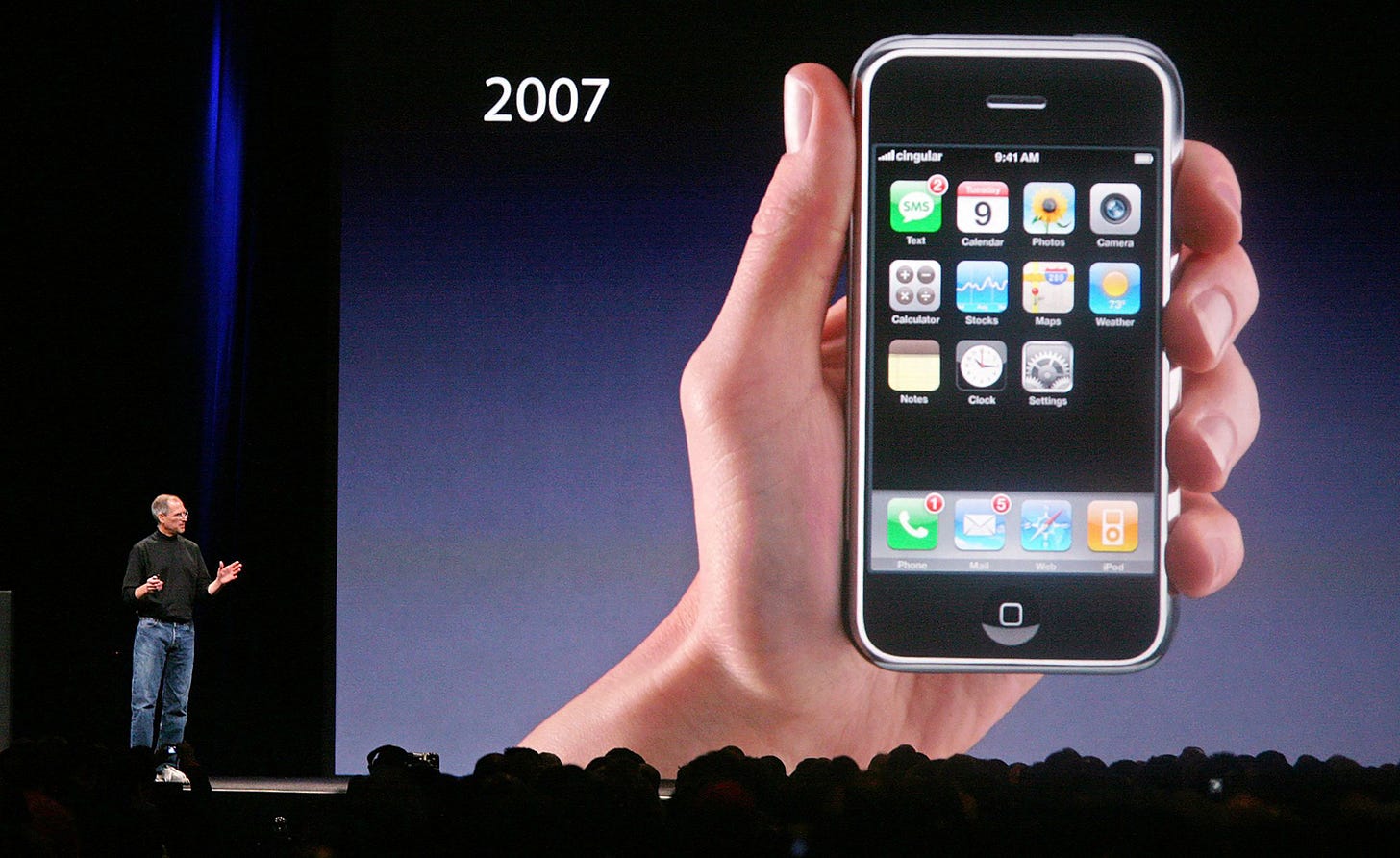
Apple released its first iPhone in 2007. Not only did it combine the functionalities of the iPod, traditional cell phone, and Internet, it introduced the concept of a complete touchscreen. This eliminated the need for a keyboard, which was a key feature of the BlackBerry, the most popular smartphone before the release of the iPhone.
Since then, a new iPhone model was released every year, each coming with an update that set it further apart from its predecessor. The iPhone 3G—released in 2008—introduced the Apple App Store, which allowed users to download third-party apps. The iPhone 4S introduced Siri. The iPhone 5S introduced Touch ID, which eventually went away when the iPhone X expanded its touchscreen, removed the home button, and introduced Face ID. It can be argued that many of these new technologies were already in development prior to the iPhone; however, it cannot be denied that Apple improved them and introduced them to mainstream smartphones.
Eventually, the newer iPhone models were met with widespread criticism. One such example is the iPhone 7, which removed the headphone jack. Another example is the iPhone 15, whose updates many critics argue are not worth the increased price. The iPhone 16, which releases next week, has also been criticized for its lack of substantial improvements. But despite this criticism, many people still bought these phones. Why is that?
Since the release of the first iPhone, Apple heavily emphasized creating a user-friendly and intuitive experience, which it did achieve. Alongside the updates mentioned above, the iPhone’s minimalist design, accessibility features, and privacy and security design appealed to many. However, alongside these arguably revolutionary improvements, Apple also introduced a specific ecosystem to the world—one that is extremely convenient, but also requires a cult-like dedication to the company itself.
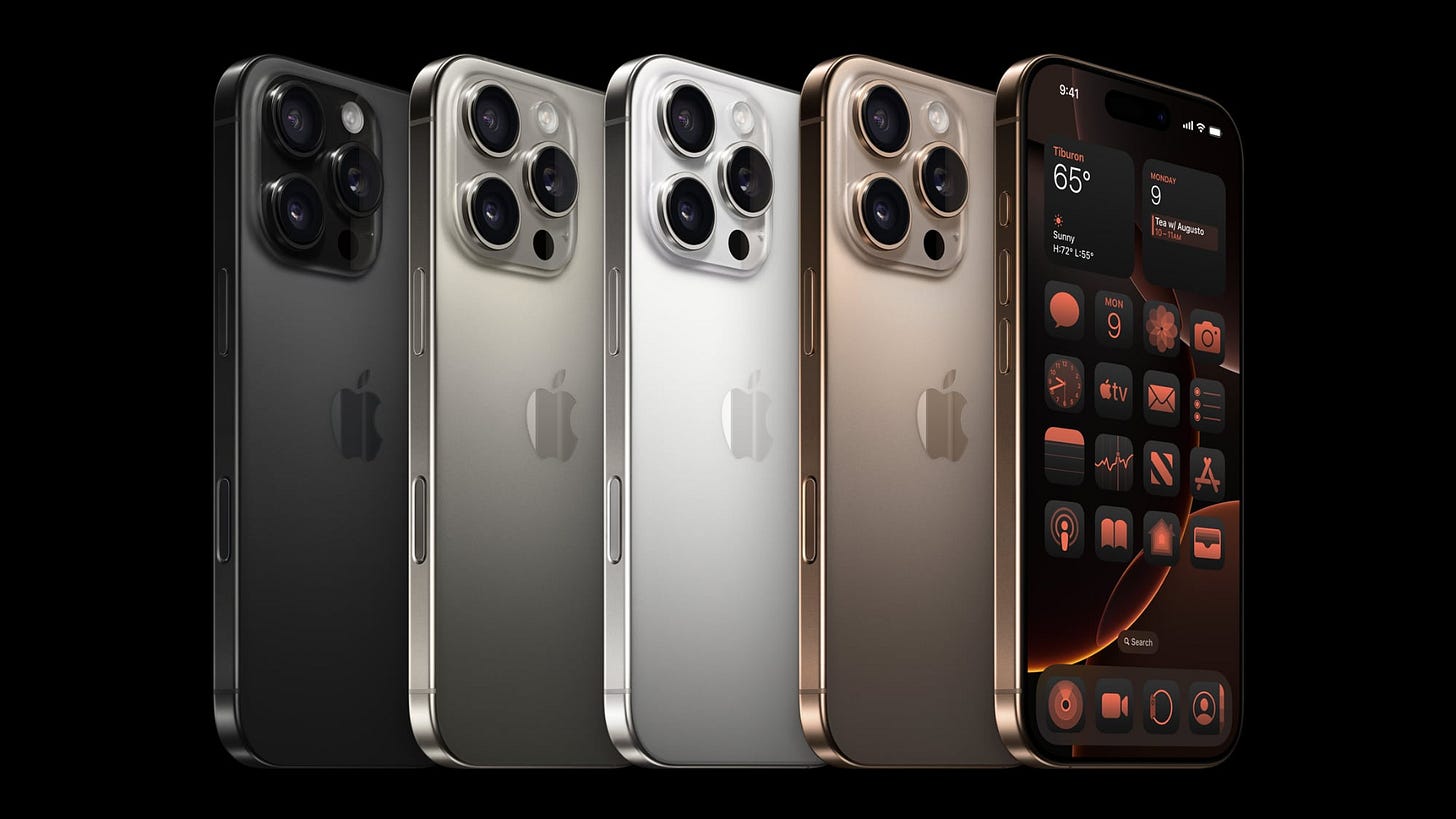
The Apple ecosystem is a term that has been gaining traction over the past few years. One of the most notable manifestations of this concept is with the release of the Apple AirPods, which came out on the same day as the iPhone 7. Another case is the introduction of iCloud and AirDrop, which allowed Apple users to store and instantly share photos and files with each other. Various Apple-only apps—such as FaceTime, GamePigeon, and iMessage—provide a fun and interactive way for iPhone users to communicate and connect with each other. With these features packaged into an aesthetic interface, this smooth, integrated experience reinforces a sense of identity and belonging amongst iPhone users. However, in order to partake in this tightly controlled experience, one must enter the ecosystem and stay in it.
The iPhone: A Status Symbol?
Alongside the curation of this Apple-specific ecosystem, the iPhone has been marketed as a status symbol. Since the release of the first iPhone, Apple has meticulously curated a target audience and utilized specific marketing techniques that eventually made it something to covet.
To begin with, Apple has consistently portrayed the iPhone as a luxury product. Its minimalist design and packing and its short, but catchy, product name gives it the appearance of something fresh, innovative, and futuristic. The company also utilizes strategies like limited product releases, long queues, and pre-order campaigns to create a sense of exclusivity. More notably the iPhone is remarkably expensive and promoted by celebrities and rich individuals. All of these factors combined contribute to the iPhone being seen as a status symbol and a representation of economic class.
Not only that, Apple has also employed a marketing campaign that paints the iPhone as a marker of identity. Through the use of influencers and word-of-mouth, the company has masterfully crafted a brand narrative that focuses on the sense of self—capturing memories, creating art, and connecting with others. This creates an emotional connection with users and positions itself as an extension of one’s identity and lifestyle.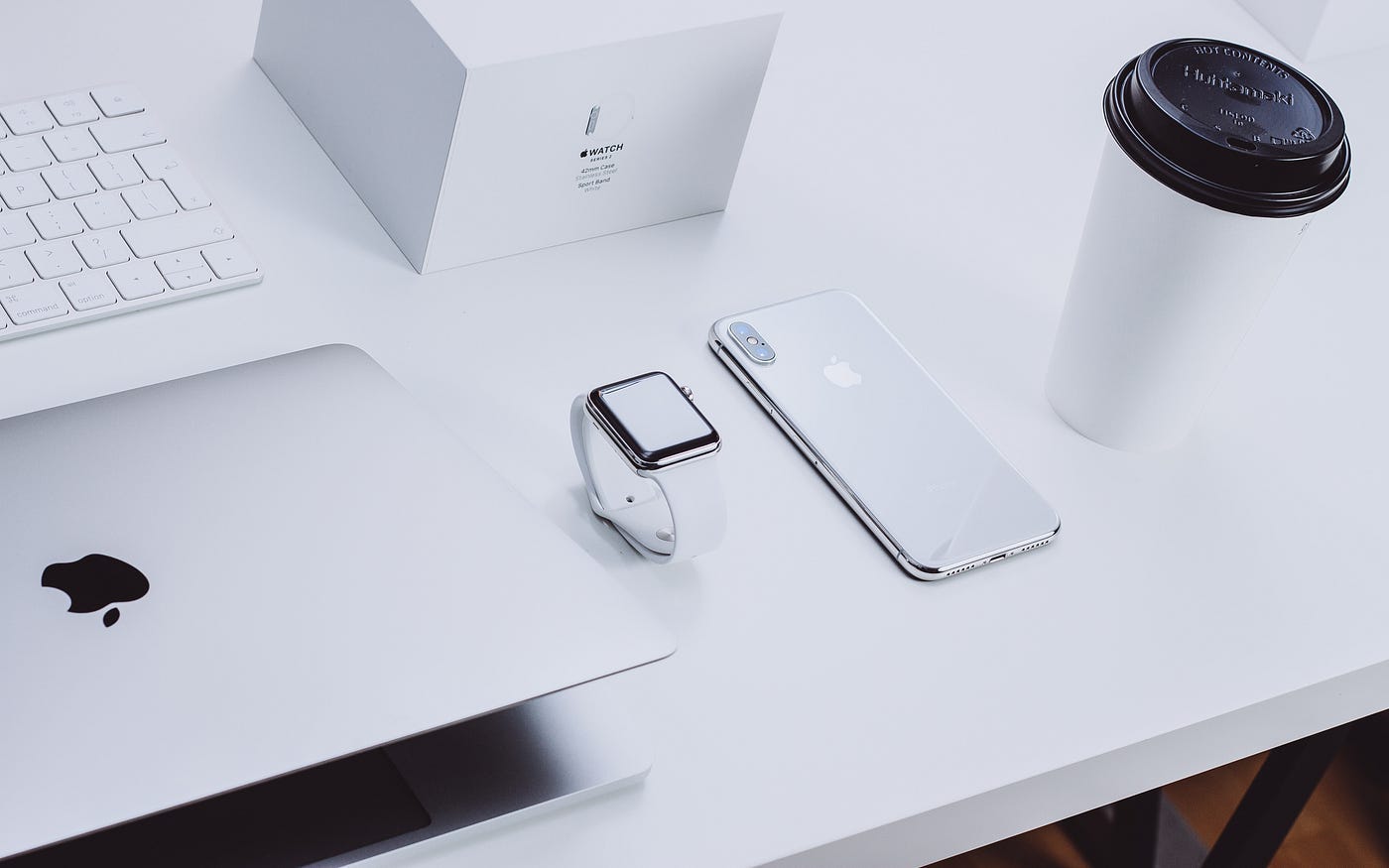
This idea of the iPhone being a status symbol is especially apparent in my generation, one of Apple’s main target demographics. Throughout high school, and even now in college, many individuals—myself included—have experienced being excluded because we didn’t own an iPhone. Playing pool on GamePigeon during class, having late night FaceTime calls with your friends, and taking pictures that were considered higher quality and more aesthetic were all experiences that we felt like we were missing out on. There was even the hidden fear of being looked down upon by your peers because you did not own the latest iPhone. Because of this fear of missing out, we are pressured into buying this coveted device and becoming loyal members of this select group.
This line of thinking does appear superficial to most. To some, Apple’s marketing strategies do not appeal to them. However, with the increasing improvements in technology, our generation and future generations are becoming more dependent on it. This pushes for our innate desire for convenience and ease, something that Apple is providing in a set environment. Not only that, our generation is spending more time on the Internet, where thousands of people are posting everyday. In a society like ours, this pushes for our other innate desire of individuality, something that Apple also conveniently markets towards. As a result, the barrier of exclusivity is pushed even further amongst our generation.
Overcoming the Barrier of Exclusivity
Now that this barrier has been defined, how can it be overcome?
It is difficult to overcome this barrier through pure effort alone. Challenging the narrative that Apple crafts for us—defining our own identity—is not easy to do, especially considering the individualistic society we live in. Rather, it needs to be an effort made by two parties: us, the consumers, and the developers. In a recent update, Apple made it so that non-iPhone users could be added to iPhone-only group chats. We are also beginning to use third-party communication apps, such as Discord. This is one step closer to closing the divide. As a society who is becoming increasingly more dependent on technology and the Internet, our need for convenience and ease is large. To ensure that this barrier of exclusivity is not perpetuated, smartphone developers would need to integrate their technologies together to allow for seamless communication across users who use different phone brands.
With the new iPhone 16 coming out very soon, it is interesting to see what direction Apple will take to improve their iPhones. But to reiterate, this is not a complete problem yet. However, who knows if the barrier will divide even further?